How to Choose the Right Mulcher Teeth for Your Operation
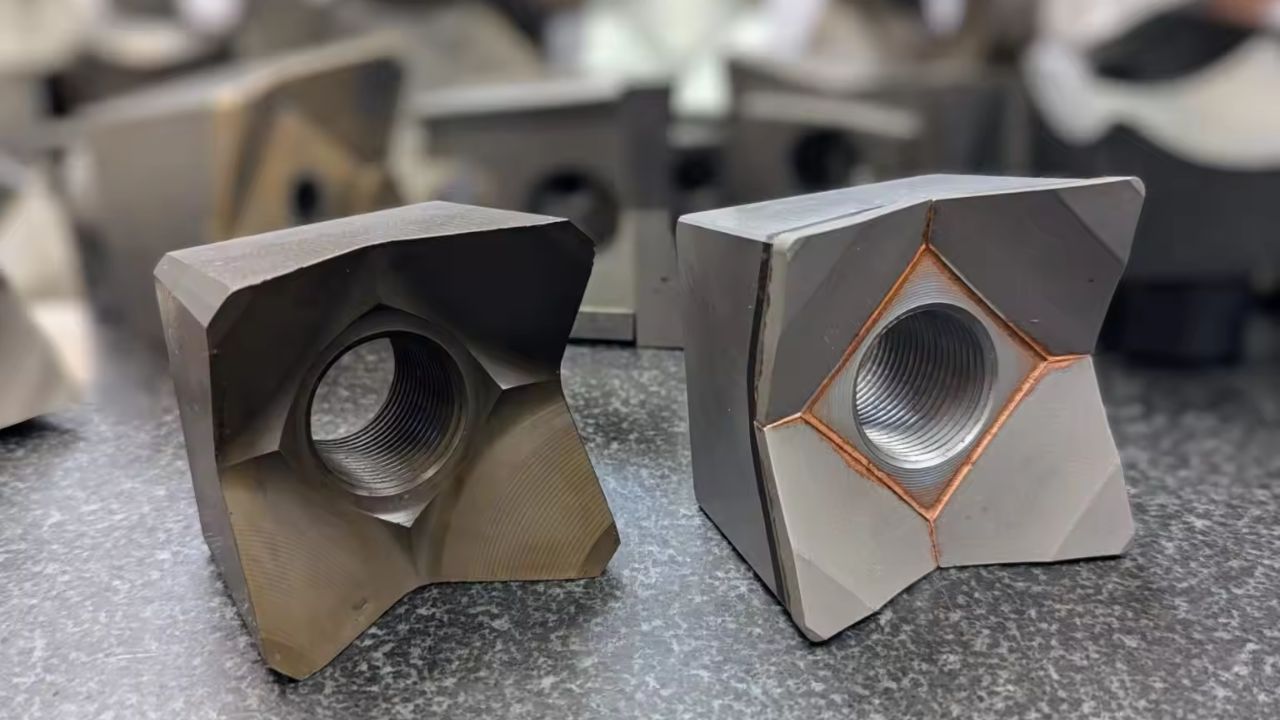
The appropriate choice of mulcher teeth is among the most crucial in the process of land-clearing or forestry work. The bobcat mulcher teeth have a direct influence on the cutting performance, machine output, cost of operation and equipment life. The tooth designs, materials and configurations are in a wide variety, and one needs a clear picture of how the equipment is going to be used and the kind of equipment it is meant to operate in to get the right choice.
Understanding the Role of Mulcher Teeth
Mulcher teeth are cutting tools attached to the rotor of a mulcher. Their main work is to cut, grind and chop vegetation like brush, trees and stumps. Mulcher teeth have to be able to endure repeated impact, abrasion and high rotational forces in demanding environments. The right teeth are warranted to be smooth in cutting, rotor balance, and proper material processing.
When incorrectly selected to suit the application, mulcher teeth may be prematurely worn, decrease productivity and overload the machine. To ensure credible performance, it is necessary to choose the right type.
Matching Mulcher Teeth to Operating Conditions
The initial thing to take into consideration when choosing mulcher teeth is to assess the terrain and vegetation that is undergoing processing. There is thick brush, soil that is rocky and sandy, and dense hardwood. This is because hard and abrasive conditions demand teeth with reinforced carbide tips, which are durable in wear and have long edges. The lighter clearing work and softer vegetation can be cut efficiently using high-quality alloy steel teeth, which will be efficient and will cost less to operate.
Aggressiveness and tooth shape are also dependent on the conditions of operation. Cutting profiles are more aggressive, which enhances productivity in thick vegetation but can wear out rocky ground faster. Equal designs offer continuous operation in mixed conditions and are frequently needed in general-purpose operation.
Considering Equipment Type and Compatibility
Mulcher teeth should fit with the machine and rotor that is in use. The Skid steer mulchers, excavator mulcher heads, tractor-mounted mulchers, and specific forestry mulchers have various power levels, mounting options, and operating speeds. Poor fit, uneven wear, and even equipment damage can be achieved through using teeth that have not been designed to work in the machine.
The OEM-compatible mulcher teeth are designed with the same specifications as the original equipment. Correct alignment of cutting angles, clean mounting and uniform operation are all guaranteed by proper compatibility. This is especially relevant in those operations that depend on accurate rotor balance and ultra-high-speed cutting.
Material Quality and Manufacturing Standards
The performance of a mulcher tooth is also dependent on the quality of the material. High-grade alloy-steel is normally used to make the premium mulcher teeth reinforced with tungsten carbide tips. The combination offers the impact-absorption strength and is still capable of withstanding abrasion.
Structural integrity and wear life are enhanced through manufacturing procedures like precision forging and controlled heat treatment. Quality teeth retain their shape and cutting edge longer, thereby minimising the rate at which they are replaced and also limiting downtime.
Balancing Cost and Long-Term Value
Although initial cost is a factor to be considered, paying attention to price may cause an increase in expenses in the long term. The poor quality of the mulcher teeth can cause a lot of replacement and the use of more fuel because they will not be cutting efficiently. They can also lead to premature rotor, bearing and hydraulic wear.
Durability and high-performance mulcher teeth will be a value investment in the long term, as the teeth will last longer and lead to better productivity. To the contractors and land managers, this will mean they can predict their operating costs and increase the returns on their equipment investment.
Maintenance and Replacement Considerations
Another factor that should be considered in the selection of mulcher teeth is ease of maintenance. Simple installation and removal of teeth saves on the length of time taken during replacement. Regular wear patterns also simplify the process of maintaining the equipment as well as preventing unforeseen failures.
Teeth need to be checked by operators on a regular basis for excessive wear, cracking or loss of carbide tips. The selection of teeth that have been proven to be long-lasting aids in keeping the cutting performance and minimizes the likelihood of abrupt loss of performance during use.
Conclusion
Selecting appropriate mulcher teeth is an issue that must be considered with respect to the conditions under which the equipment will be used, equipment compatibility, quality of materials and the cost-effectiveness in the long run. MSW mmulcher teeth are designed to improve the cutting performance, guard against expensive machinery, and ensure steady output in harsh applications. A good match of teeth to the operation results in dependable outcomes, minimized downtime, and maximum work output of mulching machines, a goal that can be accomplished by forestry and land-clearing specialists.